The Factory of Your Lungs

Every exhale is counted, weighed, and sold to someone who doesn’t live here—
someone who has never woken to the rattle of dawn
shaking the dust from its pockets
like a tired god clocking in for another shift.
In this town, breath is a currency.
The children trade theirs for recess,
the elders for a quiet afternoon without coughing up
another gray feather of the sky’s exhaustion.
We are paid in particulate promises:
tiny specks of maybe, someday, almost.
The smokestacks rise like stern foremen,
tall as verdicts delivered without trial.
They do not blink.
They do not bargain.
They take their tithe of oxygen
and leave our chests echoing like half-collapsed warehouses.
Still, we show up.
We shoulder the sun.
We lift the morning until it glows faintly,
a lantern swaying above the picket line of our ribs.
Some nights, a breeze sneaks in—
an outlaw wind slipping between the factories
with news from somewhere greener.
It whispers: breathe deeper,
your lungs are not a ledger.
And we try—
inhalation as rebellion,
exhalation as prayer—
each breath a small strike
against the empire of smoke
that believes it owns us.


Subway Graffiti as Prophecy

The train rattles past midnight slogans,
each one a warning written in neon dust.
Letters drip like fresh constellations
on the ribs of silver cars—
WE WERE HERE, NOT YOUR CITY,
EVERY WALL HAS A PULSE.
Beneath the murmuring advertisements of tomorrow,
a sharper gospel flickers in unauthorized color.
The tunnels memorize it.
The rats translate it into twitching scripture.
Even the conductors read it with their eyes closed.
A crown made of spray caps rolls along the tracks.
A halo of sirens hums in the distance,
late as always, faithful as gravity.
Someone has stitched a future into brick and speed,
a prophecy that refuses to wait for permission.
We pretend not to see it,
eyes trapped in glowing rectangles of curated hope,
while the walls scream in wild typography:
THE CITY IS A DREAM EATING ITS DREAMERS.
BREAK THE SPELL.
By morning the messages will be skinned raw by cleanup crews,
bleached into respectable silence.
But the night will remember.
The tunnels will rehearse.
And the next train will arrive already whispering
what the daylight is afraid to admit.


A Brief History of Sidewalks

Concrete remembers the soles it carried,
the faces erased, the corners abandoned.
It remembers the soft geography of need—
bus tokens warm in palms, the choreography
of waiting, the loose change mooning in cups.
Once, this block spoke in many tempos:
domino slaps, arguments, laughter stitched
through open windows like second curtains.
Then the paint arrived first—
that clean lie of renewal—
followed by names no one here could pronounce
without learning new mouths.
Rent rose like floodwater without rain.
Porches narrowed. Lives folded.
Now the coffee costs more than the day’s wages
of the ghosts who still cross here at dusk.
Dogs with better health plans
tug silver leashes past the places
children learned the art of swerving traffic.
Even the weeds have been rezoned.
But listen closely at night
when the foot traffic thins to memory:
the sidewalk exhales names it is blamed for losing.
Each crack’s a ledger.
Each stain, a stubborn footnote.
Progress keeps receipts in erased feet.
And still—
the pavement waits, wide and patient,
for the next unpermitted story
to step back into the light.
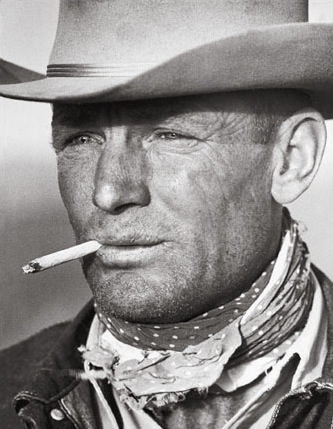
 The Beatnik Cowboy